
Protein Foods & Meal Ideas
Explore comprehensive guides to high-protein nutrition, balanced meal planning, and practical recipes designed to support your healthy lifestyle. Our editorial team brings you research-backed insights and real-world meal solutions.
Browse by Category
Featured Articles & Guides
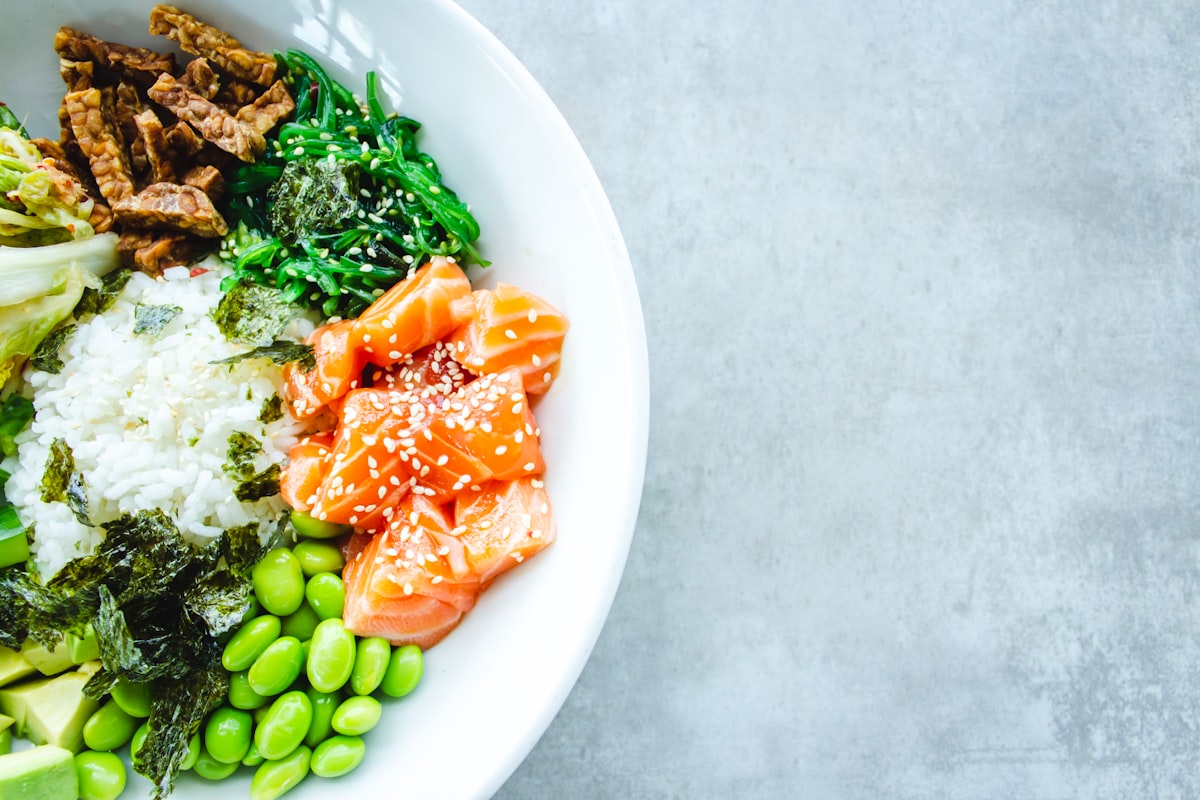
Lean Meat Proteins: Chicken, Turkey & Beyond
Discover why chicken breast and turkey remain staple high-protein foods across nutritional plans. This comprehensive guide covers preparation methods, nutritional profiles, and how to incorporate these versatile proteins into daily meals without monotony. Learn storage tips and cost-effective purchasing strategies.

Seafood Proteins: Fish, Salmon & Omega-3 Benefits
Explore the nutritional advantages of fish and seafood as primary protein sources. This article details the omega-3 content in salmon and mackerel, sustainable sourcing options, and simple preparation methods. Understand how seafood fits into balanced meal planning and supports overall nutrition goals.

Plant-Based Proteins: Legumes, Tofu & Seeds
Learn about high-protein plant foods including lentils, chickpeas, beans, and tofu. This guide covers complete protein combinations, amino acid profiles, and how to build satisfying meals without animal products. Discover preparation techniques that maximize digestibility and flavour.

Eggs & Dairy: Complete Proteins & Versatile Options
Understand why eggs and dairy products rank among the most complete protein sources available. This article examines Greek yogurt, cottage cheese, and whole eggs, providing preparation ideas and nutritional comparisons. Learn how to integrate these foods into various meal types throughout the day.
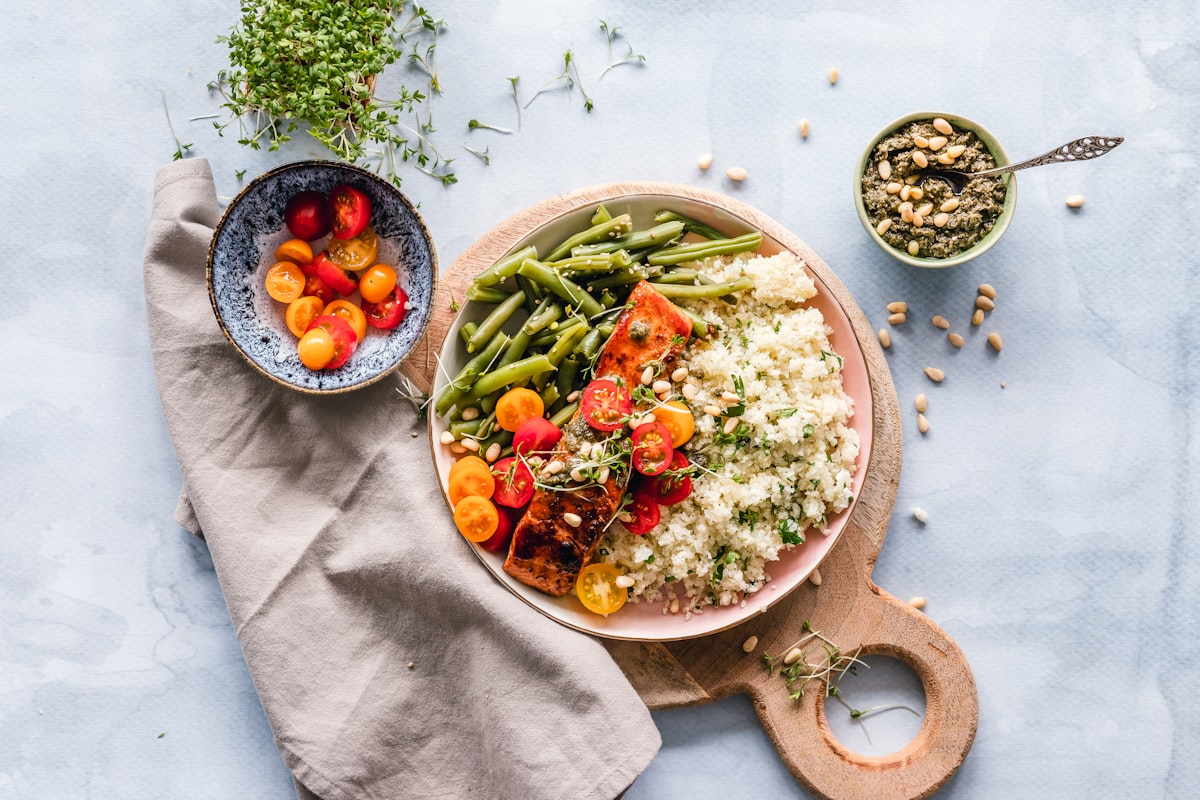
Weekly Meal Planning: Structure & Balance
Develop a strategic approach to planning balanced, protein-rich meals for the entire week. This guide covers grocery shopping strategies, batch cooking techniques, and how to create variety while maintaining nutritional goals. Learn time-saving methods for busy professionals and families.
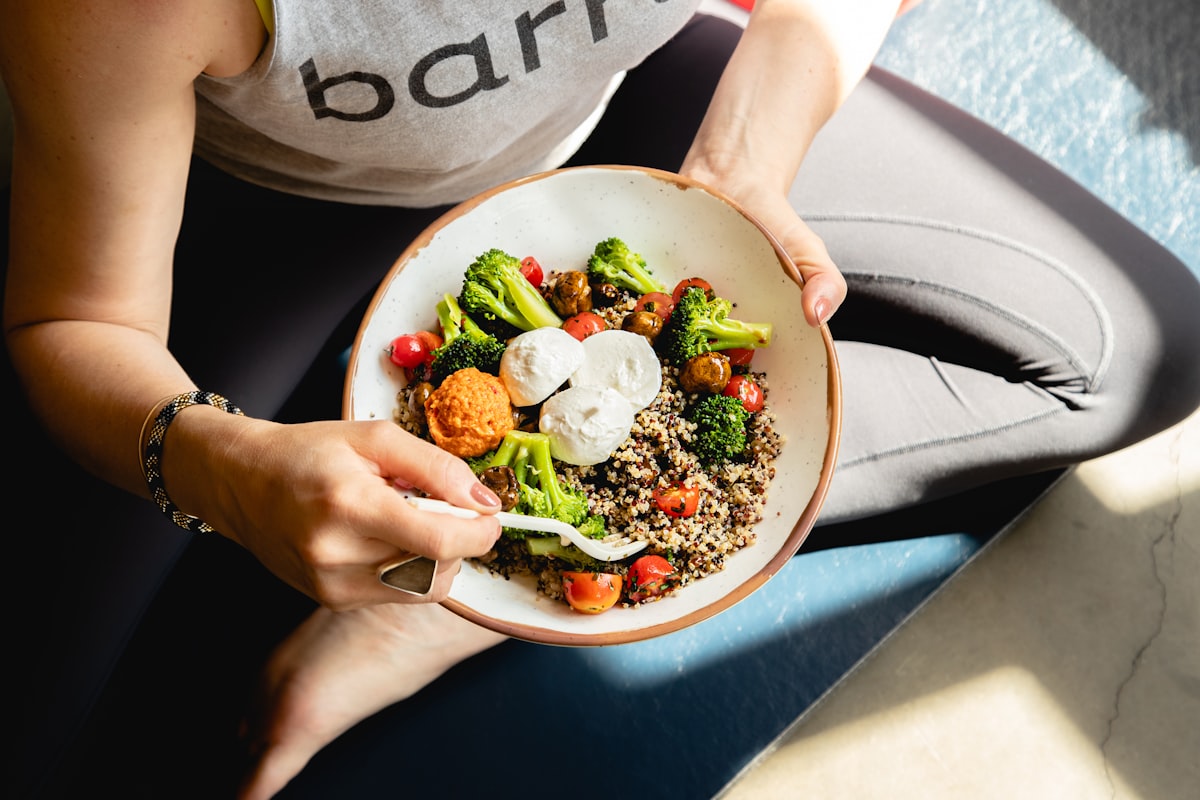
Quick Recipes: 30-Minute High-Protein Meals
Access simple, time-efficient recipes that deliver substantial protein without complexity. This collection features breakfast options, lunch ideas, and dinner solutions ideal for busy schedules. Discover ingredient combinations that balance taste with nutrition and can be prepared with basic kitchen equipment.
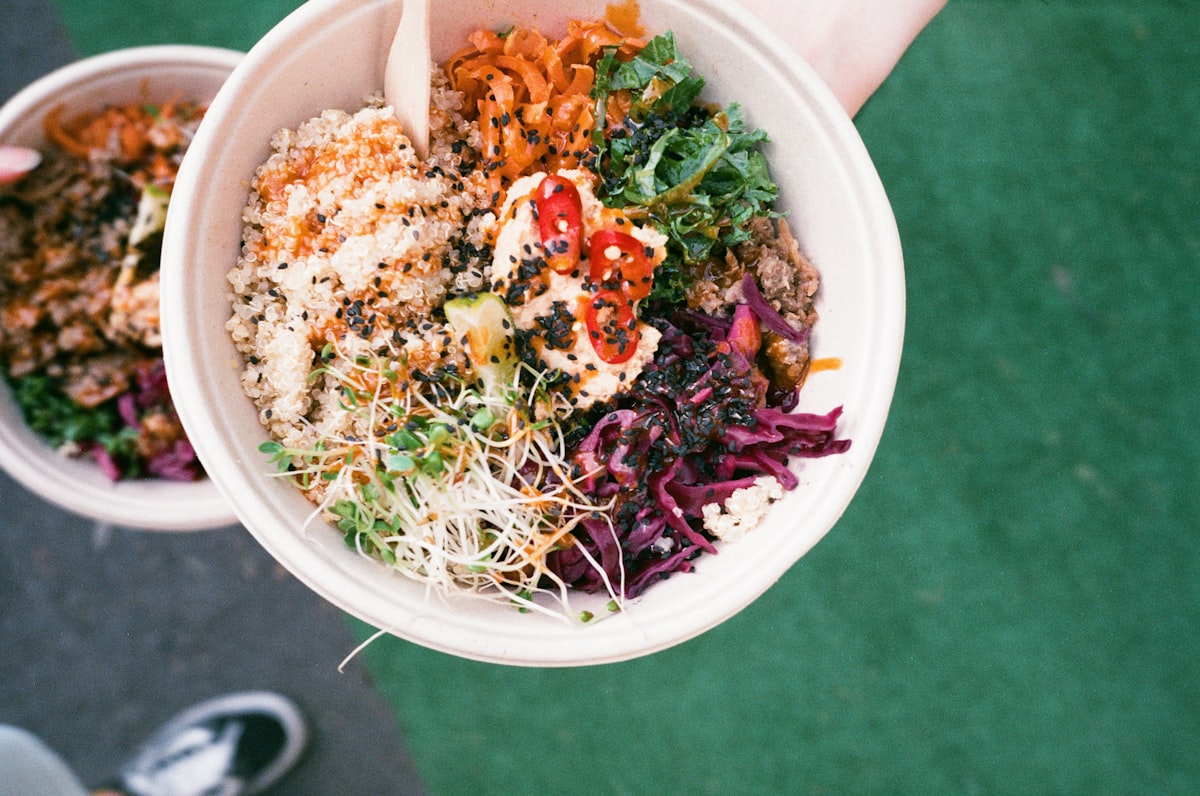
Nutrition Science: How Protein Works in Your Body
Explore the science behind protein digestion, amino acid absorption, and muscle synthesis. This evidence-based article examines protein requirements across different activity levels and life stages. Understand bioavailability, complementary amino acids, and how your body processes different protein sources.

Adapting Protein Meals: Vegetarian, Vegan & Keto
Learn how to maintain high protein intake while following different dietary patterns. This comprehensive guide addresses vegetarian and vegan protein strategies, ketogenic meal structures, and allergy-friendly alternatives. Discover how to customise recipes and create satisfying meals within your chosen nutritional framework.
Why Protein-Focused Nutrition Matters

Building a Sustainable Nutrition Foundation
Adequate protein intake supports multiple aspects of your wellness: it builds and maintains lean muscle mass, supports immune function, aids in hormone production, and promotes satiety throughout the day. Whether you're active, sedentary, or managing dietary restrictions, understanding how to incorporate sufficient protein becomes essential.
Muscle Support & Recovery
Protein provides essential amino acids needed for building and repairing muscle tissue, particularly important for active individuals.
Extended Satiety
High-protein meals keep you feeling fuller longer, reducing overall calorie intake and supporting consistent energy levels.
Metabolic Function
Protein has a higher thermic effect than other macronutrients, supporting metabolic efficiency and energy expenditure.
Immune & Hormonal Support
Antibodies, hormones, and immune cells all depend on adequate protein for optimal synthesis and function.
Frequently Asked Questions
Protein requirements vary based on age, sex, activity level, and overall health. Most nutritional guidelines recommend 0.8 grams per kilogram of body weight for sedentary adults, while active individuals may require 1.2 to 2.0 grams per kilogram. For specific guidance tailored to your circumstances, consider consulting with a qualified nutrition professional who can assess your individual needs.
Complete proteins contain all nine essential amino acids that your body cannot synthesize independently. Animal-based sources like meat, fish, eggs, and dairy are naturally complete. Plant-based complete proteins include quinoa, soy products, and legume-grain combinations. Understanding complete versus incomplete proteins helps you plan balanced meals that provide all necessary amino acids.
Yes, plant-based diets can provide adequate protein when planned thoughtfully. Strategic combinations of legumes, grains, nuts, seeds, and soy products create complete amino acid profiles. This requires intentional meal planning to ensure variety and sufficient quantity, but many individuals maintain excellent nutrition on exclusively plant-based approaches. Our meal planning articles provide specific strategies for this dietary approach.
Variety is essential for sustained adherence to any nutrition plan. Rotate between different protein sources—chicken, fish, beef, legumes, tofu, eggs—and vary your preparation methods with baking, grilling, sautéing, and slow-cooking techniques. Our recipe collection offers diverse flavour profiles and cuisines to maintain interest while meeting your protein goals consistently.
Distributing protein throughout the day supports optimal muscle protein synthesis and maintains satiety. Research suggests spacing protein intake across meals—rather than concentrating it in one meal—provides advantages for lean muscle maintenance. Our meal planning guides demonstrate how to structure breakfast, lunch, dinner, and snacks to achieve consistent protein distribution aligned with your daily targets.
Balanced nutrition requires adequate carbohydrates for energy, healthy fats for hormone production and nutrient absorption, and micronutrients from vegetables and whole grains. Our nutrition science articles explain macronutrient ratios and micronutrient considerations, while our recipe collection demonstrates how to construct visually balanced, nutrient-dense plates that include protein, vegetables, whole grains, and healthy fats.
Ready to Transform Your Nutrition?
Explore our complete library of evidence-based articles, practical recipes, and meal planning strategies. Whether you're beginning your protein-focused nutrition journey or optimising existing practices, our editorial team provides the information and guidance you need.
Have feedback about our articles? Contact our editorial team